BPC-157: separating the claims from the evidence
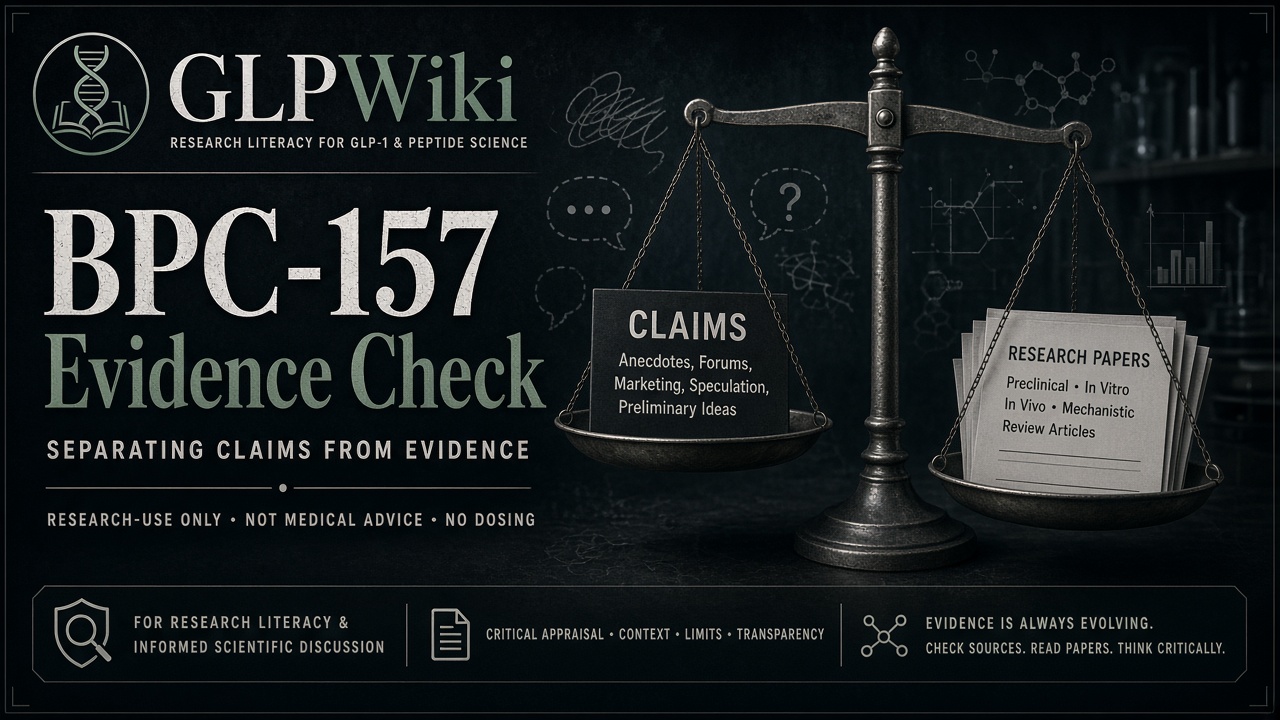
The most discussed repair peptide on the internet has an enormous animal literature and almost no human trials. Here is the honest state of play.
14 August 2026 · 8 MIN READ
Updated October 2026: read the full rebuilt guide — BPC-157 evidence check
Where the enthusiasm comes from
Rodent studies from a single prolific research group report benefit across an unusually wide range of injury models: tendon, ligament, muscle, gut, nerve and vasculature. The breadth is part of what makes the literature persuasive to readers and suspicious to methodologists.
What is missing
There is no completed randomised, placebo-controlled human efficacy trial. Independent replication of the headline animal findings outside the originating group is thin. Purity of material sold online is unverified, and the FDA has placed BPC-157 in a category it considers unsuitable for compounding pending safety review.
How to read it
Absence of human evidence is not evidence of harm — but it is not evidence of benefit either. The reasonable position is that BPC-157 is a promising preclinical compound awaiting the trials that would make it a medicine.
Educational reference only. Nothing here is medical advice, a dosing protocol or an endorsement of any product. Investigational and research peptides are not approved medicines.